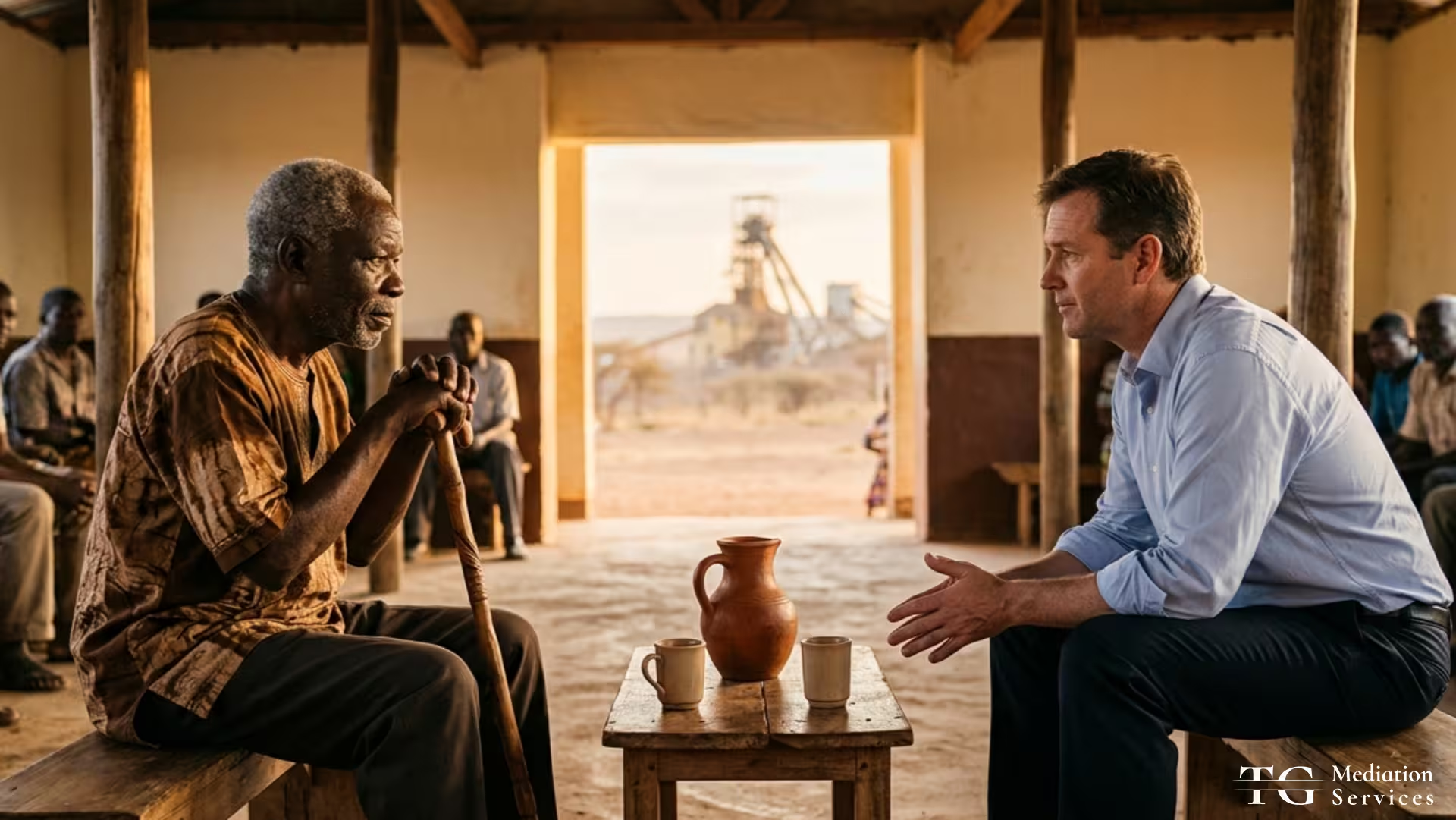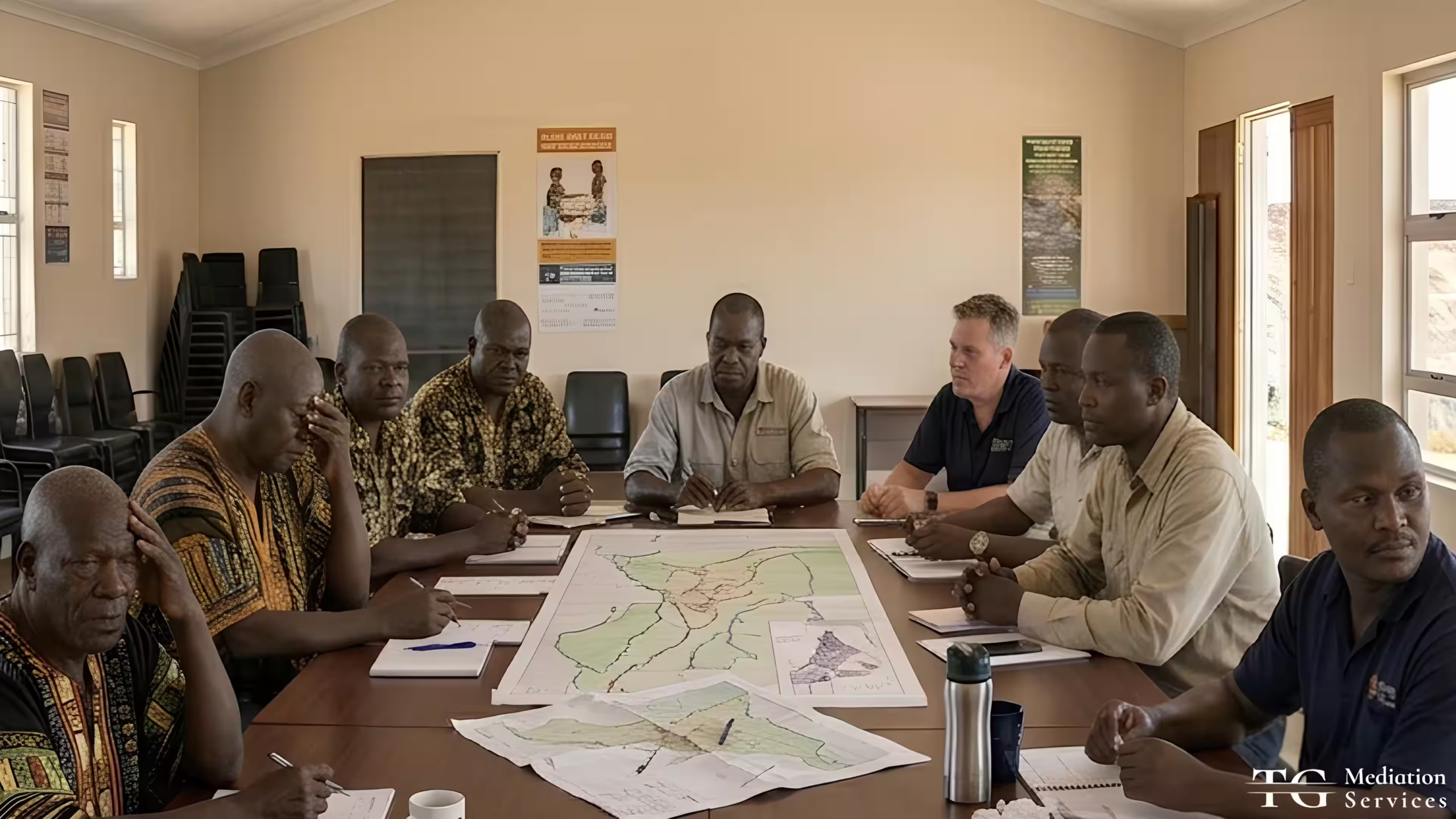
We often hear the phrase “natural mediator” tossed around to describe someone calm, neutral, or diplomatic. But are great mediators truly born, or can they be made? The truth lies somewhere in between.
Yes, some personal traits, like empathy or emotional steadiness, may give certain individuals a head start. But exceptional mediators don’t rely solely on instincts. They cultivate specific skills through training, practice, and feedback. Whether you’re a legal professional, HR leader, or community facilitator, understanding the seven essential qualities of great mediators can help you sharpen your craft, or recognize talent in others.
1. Emotional Intelligence
At the heart of all conflict lies emotion, hurt, fear, frustration, pride. Mediators must navigate these emotional undercurrents without becoming swept up in them. That requires:
- Self-awareness: Recognizing your own triggers or biases.
- Empathy: Accurately sensing what others are feeling, even if it’s not spoken.
- Self-regulation: Staying grounded when tensions rise.
The good news? Emotional intelligence isn’t fixed. It’s a skill that improves with mindfulness, feedback, and reflection.
2. Curiosity Without Judgment
Exceptional mediators are insatiably curious, not just about what happened, but why it matters to each person. They know how to ask questions that surface meaning without blaming:
- “What was important to you about that decision?”
- “What would resolution allow you to move forward with?”
This curiosity builds trust and allows space for perspectives to shift. The moment a mediator becomes more invested in being “right” than being interested, the process derails.
3. Impartiality and Presence
Great mediators don’t just say they’re neutral, they show it in every gesture and word. That includes:
- Giving equal airtime and attention.
- Checking assumptions constantly.
- Managing body language and tone with care.
This deep neutrality isn’t passive, it’s active, intentional presence. It helps parties feel truly heard, which often leads to breakthroughs on its own.
4. The Courage to Hold the Process
Mediation is not always calm. There are moments of confrontation, silence, or raw emotion. The best mediators don’t run from those, they hold the space.
Courage means:
- Asking the uncomfortable question.
- Naming the “elephant in the room.”
- Resisting the urge to fix things too quickly.
Courage is what allows parties to walk through the hard parts of the conversation, and come out with something more honest, and more durable, on the other side.
5. Communication That Connects
Mediators must speak in ways that invite, not impose, understanding. That means:
- Using clear, accessible language.
- Reframing inflammatory statements without diluting them.
- Reflecting emotion without escalating tension.
Skilled mediators are translators. They help each party hear not just the words spoken, but the need behind them.
6. Strategic Thinking
While mediation isn’t a chess match, great mediators do think a few steps ahead. They map dynamics, anticipate reactions, and guide the process with intention. Strategic mediators:
- Choose timing carefully (when to caucus, when to reconvene).
- Read power imbalances and adjust accordingly.
- Introduce options in ways that preserve face and autonomy.
They know the goal isn’t just agreement, but a resolution that works and lasts.
7. Commitment to Growth
Finally, the best mediators are always learning. They debrief tough cases, ask for feedback, seek supervision or shadowing, and revisit foundational theory. No matter how experienced, they remain humble before the complexity of human conflict.
If you’re looking to improve your mediation skills, or grow your team, this quality may matter most of all.
So… Can Anyone Become a Great Mediator?
Yes, with the right mindset, training, and practice. While some traits may come more naturally to some than others, the core skills of mediation are teachable, learnable, and scalable. The profession doesn’t need more perfection, we need more people with empathy, courage, and a willingness to keep showing up when it matters most.
Whether you’re stepping into a boardroom conflict or a neighborhood dispute, remember: it’s not just about managing the moment. It’s about guiding people toward something better.
If you’re looking to deepen these seven core competencies, whether as a mediator, a legal professional, or a leader navigating complex stakeholder environments, I offer tailored training programs that combine practical tools, real-world case experience, and reflective practice. My workshops are designed to strengthen both the technical and human dimensions of mediation, helping participants build confidence, sharpen intuition, and apply these skills immediately in their professional contexts. If you or your organization would benefit from developing stronger mediation capabilities, I would be glad to discuss how we can work together.