The Situation
A mining company operating in Cabo Delgado, Mozambique, faced escalating community tensions that had built up over several years. Grievances spanned a range of issues typical of extractive operations in rural settings: land use, local employment expectations, environmental concerns, and perceived imbalances in how the company communicated with neighboring communities. Informal resolution attempts had not produced lasting results. The relationship between the company and community leaders was strained, and there was a real risk that unresolved disputes would disrupt operations and deepen mistrust on both sides.
The company recognized that the situation required a structured, independent mediation process rather than further internal negotiation. They needed someone who understood both the operational realities of mining in East Africa and the legitimate concerns of communities living alongside extractive projects.
The Approach
I was appointed as an independent mediator, accountable to the process rather than to either side. The engagement began months before any formal mediation session took place. That preparation phase involved confidential meetings with company leadership, community representatives, and local authorities to understand the full landscape of concerns, build trust, and design a mediation process that all parties would view as credible.
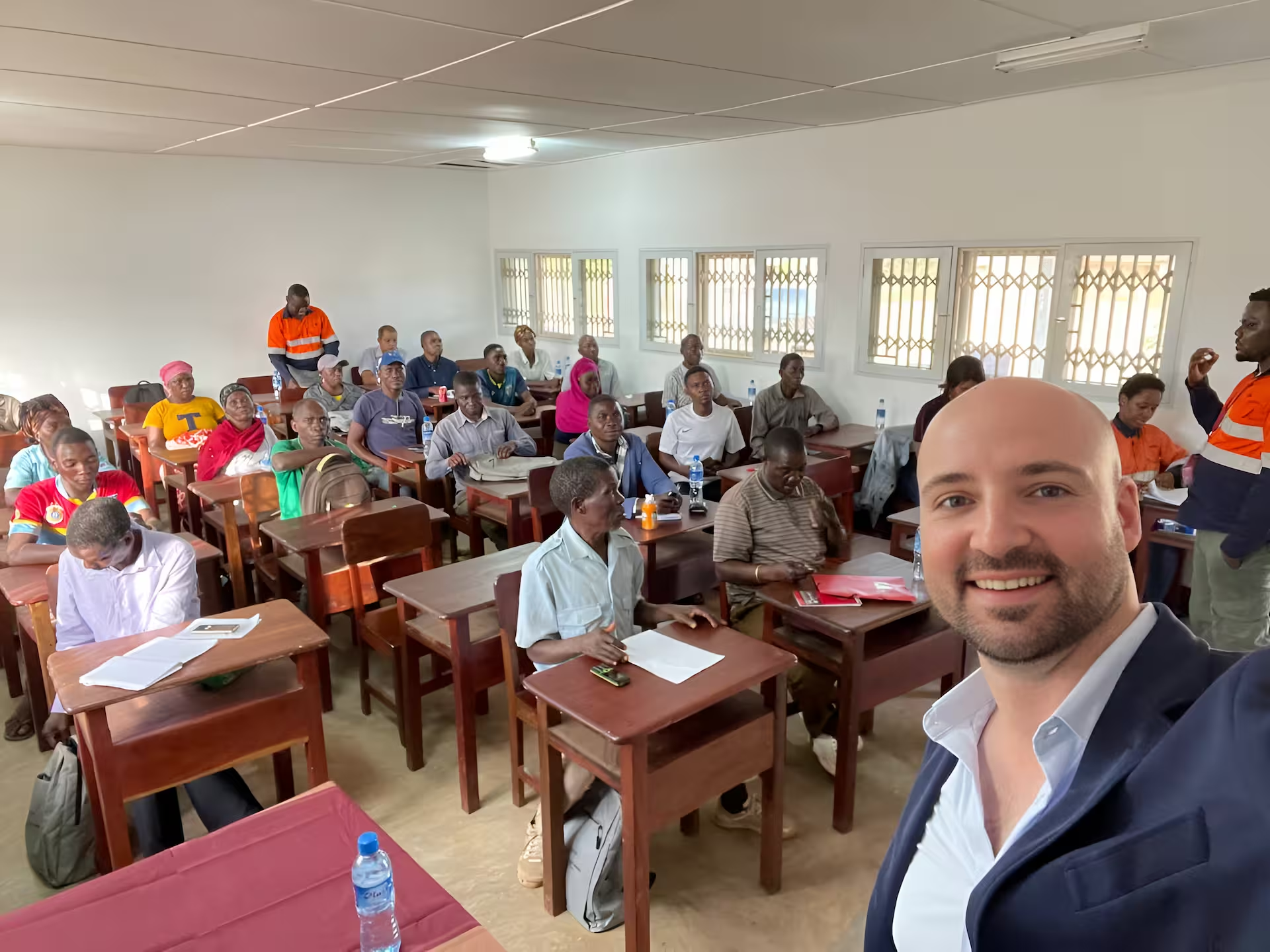
The mediation itself took the form of a structured three-day dialogue session in Cabo Delgado, bringing together company management and CSR teams with community leaders. Each day had a clear agenda, ground rules, and facilitation structure designed to give all parties an equal voice. The process followed the principles of Social Accord Architecture, moving from identifying grievances and their root causes, to exploring shared interests, to negotiating concrete commitments. Every session was designed around the principle that sustainable outcomes require both sides to feel heard before they are asked to agree.
The Outcome
The three-day mediation concluded with a set of mutually agreed commitments that addressed the most pressing community concerns while protecting the company’s operational continuity. Specific agreements covered areas that had been sources of tension for years.
More importantly, the process itself rebuilt channels of communication that had broken down. Community leaders and company representatives who had entered the room with visible frustration left with a shared understanding of each other’s constraints and a framework for ongoing dialogue. The engagement demonstrated that even long-standing grievances in complex operating environments can be resolved when the process is well-designed, the facilitation is independent, and all parties commit to structured dialogue.
I left Cabo Delgado with a deep respect for everyone involved: the community leaders who brought courage and candor to the table, the company team who showed genuine willingness to listen and act, and the local professionals who worked tirelessly behind the scenes to make the process succeed.
What This Case Illustrates
This engagement shows how community mediation in the mining sector works in practice. It is not about quick fixes or surface-level agreements. It is about building a structured process, grounded in the Social Accord Architecture methodology, that transforms accumulated grievances into working relationships. For companies operating in challenging environments, the cost of leaving community tensions unresolved is always higher than the cost of addressing them through credible, independent mediation.